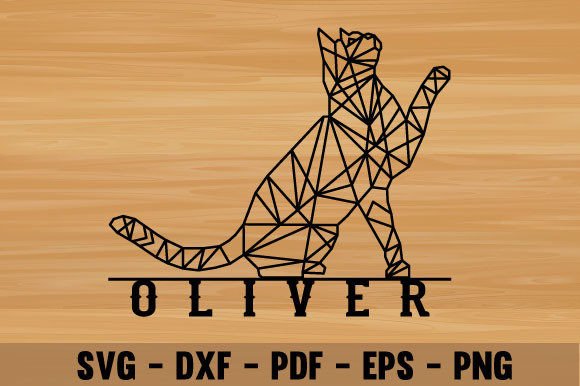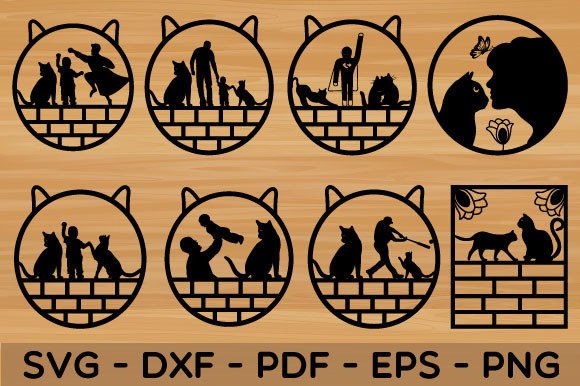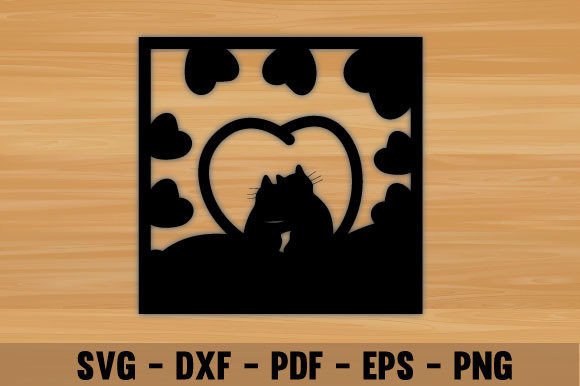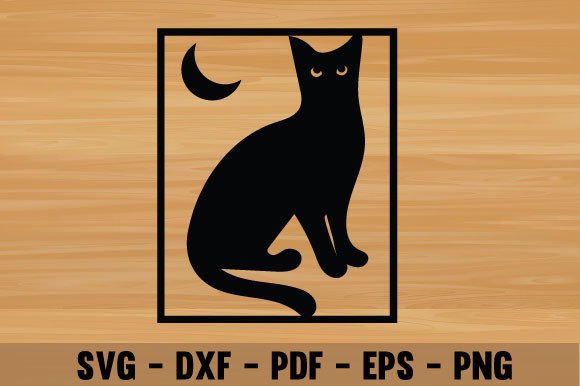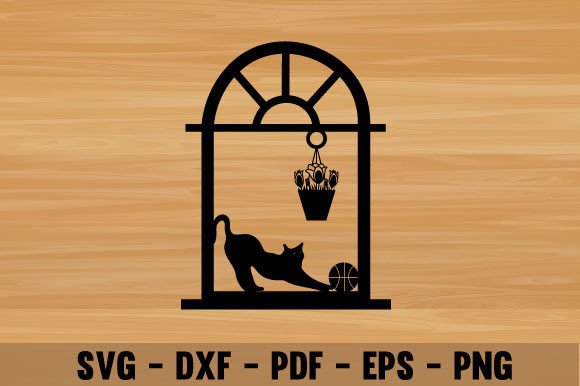
Cat on Window Wall Art Laser Cut Design
The Cat on Window Wall Art Laser Cut Design is a charming and versatile vector file that brings a touch of whimsy to any project. Its clean lines and playful composition make it ideal for a range of embroidery applications, from custom apparel to home decor. As an experienced designer, I’ve evaluated this design in various real-world scenarios to determine its strengths, limitations, and overall suitability for different projects.
First Impressions: A Whimsical Design with Practical Potential
The first thing that stands out about the Cat on Window Wall Art Laser Cut Design is its visual personality. The cat, perched by a window, exudes a sense of calm and curiosity. The layout is balanced, with clear focal points and enough detail to make the design engaging without being overwhelming. The shape is well-suited for both simple and intricate stitching, making it adaptable to different embroidery styles.
This design feels like it belongs in a cozy, homey setting. It’s perfect for items like tote bags, sweatshirts, or baby clothes where a soft, approachable aesthetic is desired. The theme is universally appealing, which makes it a great choice for personalized gifts or small business merchandise.
Real-World Embroidery Use Cases
When considering how the Cat on Window Wall Art Laser Cut Design performs in real-life embroidery situations, several factors come into play. For custom apparel, such as a tote bag design or sweatshirt embroidery, the design translates well, especially when using satin stitch or fill stitch techniques. The lines are sharp enough to maintain clarity even on textured fabrics, though some attention may be needed to avoid distortion on stretchy materials.
For baby items, the design works nicely as an embroidered patch or on a onesie. The size is appropriate for most hoop sizes, but care should be taken when working on smaller areas. On thin or dark fabrics, the thread color contrast becomes crucial—light-colored threads might not show up as well on darker backgrounds, so testing is recommended.
As a holiday embroidery design, the Cat on Window Wall Art Laser Cut Design has potential. It could be adapted for seasonal themes, such as a winter scene or a festive gift tag. Its simplicity also makes it suitable for printable mockups, allowing designers to showcase the design before committing to a full project.
Where to Use With Caution
While the Cat on Window Wall Art Laser Cut Design is generally versatile, there are certain scenarios where it may require extra consideration. Small hoop sizes can limit the ability to capture all the details, especially in areas with intricate corners or tiny lettering. On curved surfaces like caps or hats, the design may need slight adjustments to ensure proper placement and fit.
On textured fabrics or thin materials, the stitch density must be carefully managed to prevent puckering or fabric damage. Similarly, on stretchy or layered garments, the use of a proper stabilizer is essential to maintain the integrity of the design during stitching.
Dense stitch areas can cause the design to look cluttered, so balancing the fill stitches with running stitch or open spaces may be necessary. For commercial embroidery projects, verifying licensing terms is important, especially if the design will be used in digital product previews or sold as part of a finished product.
Impact on Visual Appeal and Customer Perception
The Cat on Window Wall Art Laser Cut Design enhances the visual appeal of any item it’s applied to. Its clean lines and recognizable subject matter make it instantly appealing, which can increase buyer engagement and brand recognition. When used on handmade products or personalized gifts, it adds a level of professionalism and craftsmanship that customers appreciate.
For Etsy sellers or small shop owners, this design can be a valuable addition to their product lineup. It’s suitable for a wide range of items, from aprons to kitchen towels, and its universal theme ensures broad market appeal. The design also supports brand consistency, especially when used across multiple product types or as part of a cohesive collection.
Customer trust is built through consistent quality and attention to detail. By ensuring that the Cat on Window Wall Art Laser Cut Design is properly tested and adjusted for each project, designers can maintain high standards and reduce the risk of errors or dissatisfaction.
Practical Designer Notes
Before using the Cat on Window Wall Art Laser Cut Design in any project, I recommend testing it on scrap fabric to assess how it looks with different thread colors and fabric textures. This step can help identify any issues early on and save time later.
Checking the stitch density is another important step. If the design is too dense, it may cause the fabric to pucker or the threads to break. Adjusting the density or using a combination of stitches can improve the outcome.
Confirming the hoop size is essential, especially for larger designs. If the design doesn’t fit comfortably in your hoop, you may need to adjust the size or split the design into sections. Inspecting small details, such as the cat’s eyes or the window frame, is also crucial to ensure they remain visible after stitching.
Testing the design in black and white mockups can reveal how it looks without color, which is helpful for understanding its visibility on different fabric backgrounds. Comparing light and dark fabric options can also guide decisions on thread color choices.
Finally, always use the right stabilizer for the fabric type and project. Proper stabilization ensures that the design stays in place and maintains its shape, especially on delicate or stretchy materials.